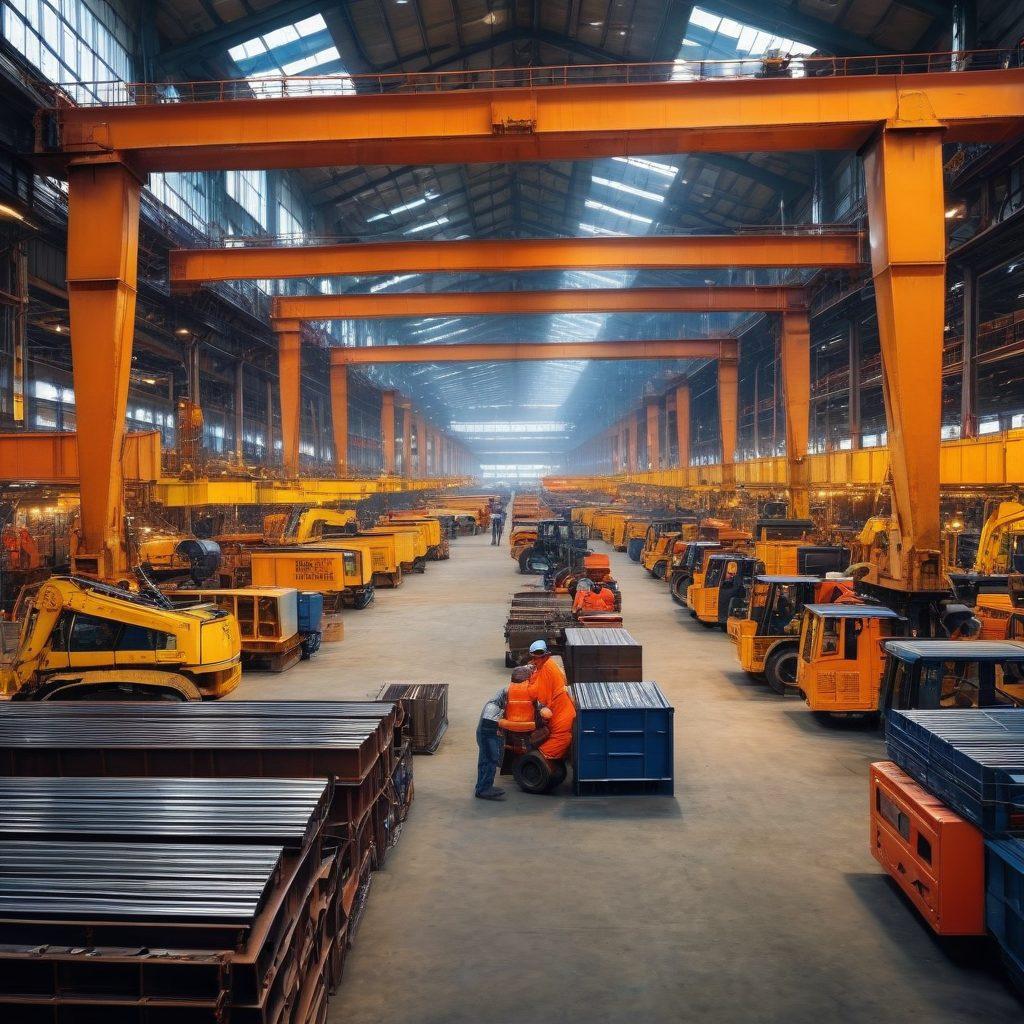
Navigating the Steel Market: Your Guide to Sourcing Quality Industrial Metals and Components
In the ever-evolving landscape of industrial metals, the quest for quality steel products can often feel like navigating a labyrinth. For many in the heavy industry sector, sourcing the right materials—be it raw materials or alloy stock—holds the key to ensuring operational efficiency and product excellence. Have you ever pondered what distinguishes top-tier steel products from subpar options? This blog aims to unravel the complexities of steel procurement and guide you on a step-by-step journey through the steel market, ensuring you unlock the secrets to quality steel components that will elevate your projects to new heights.
The steel market is not just about bulk steel; it's an intricate web of metal supply chains, metal distributors, and the relationship between steel manufacturing and its end-users. Consider this: How meticulous have you been in evaluating your steel inventory? From ferrous metals to specialty alloys, understanding the diverse offerings in the market is crucial. By prioritizing quality over quantity, you set your projects up for success. After all, wouldn’t you agree that compromising on construction materials can lead to catastrophic outcomes?
Imagine walking into a warehouse filled with various steel components, some gleaming with promise while others loom with uncertainty. The first step in your sourcing journey should be a thorough research on potential suppliers. Ask yourself: Are they reputable metal distributors? What does their metal inventory look like? Establishing a reliable network of suppliers ensures that you can consistently obtain the best fabrication materials. Building these relationships is not merely transactional; it’s about weaving a tapestry of trust and reliability in your material sourcing efforts.
Speaking of relationships, let's dive deeper into understanding the significance of the supply chain dynamics in the steel market. Have you ever encountered delays or issues with quality due to inadequate procurement processes? These hurdles often stem from poor alignment with suppliers. Investigating the steel manufacturing practices of your suppliers can illuminate whether they maintain stringent quality control. This not only helps in securing high-quality steel products but also fosters a smooth flow of materials from procurement to installation, ensuring that projects remain on schedule.
In conclusion, unlocking the secrets of quality steel products is not merely about finding the right metal. It's a journey that requires diligence, strong supplier partnerships, and an unwavering commitment to quality and efficiency. As you embark on your sourcing journey, remember that the steel market is vast but not insurmountable. By understanding your needs and the varying offerings of industrial metals, you're well on your way to becoming a proficient player in the game of steel procurement. So, are you ready to elevate your projects with the right building supplies and embark on this exciting path?
Mastering the Steel Supply Chain: Tips for Efficient Metal Procurement
In the realm of industrial metals, the journey from raw materials to finished products can often feel like navigating a complex maze. The steel market, teeming with various players and intricate supply chains, poses both challenges and opportunities for businesses seeking quality steel products. As someone involved in this industry, you might find yourself asking, "How do I ensure I’m sourcing the best ferrous metals for my projects?" With the right strategies in place, mastering the steel supply chain becomes not just a possibility, but a competitive advantage.
Picture this: a bustling manufacturing plant where every team member is aligned, every steel inventory is meticulously tracked, and every steel component is procured with precision. This vision isn't far-fetched; it's achievable with a solid understanding of metal supply dynamics. To optimize your procurement process, consider developing a robust relationship with credible metal distributors who understand the nuances of the steel market. These partnerships can be critical in gaining insights that help you navigate bulk steel purchases and manage supply chain disruptions effectively.
One essential strategy in metal procurement is to conduct thorough research on your raw materials and construction materials needs. Are there specific specialty alloys required for your fabrication materials? What about the evolving trends in steel manufacturing that could affect your steel inventory? By staying informed about these aspects, you can make smarter purchasing decisions and avoid unexpected shortages that can derail your production schedules. After all, nobody likes the surprise of an empty material inventory on a critical project day!
As you delve deeper into the world of heavy industry, remember that not all metal supply is created equal. Consider the variance in quality between different suppliers and the implications this has on your finished products. High-quality steel products can vastly improve the longevity and performance of your final goods, while subpar materials usher in the potential for complications down the line. So, when it comes to steel procurement, the old adage rings true: you get what you pay for. Engage with suppliers who prioritize quality as much as cost.
Finally, leveraging technology can transform your approach to efficient metal procurement. Many businesses today are utilizing software solutions for tracking their steel components and inventory levels in real-time. This not only streamlines the procurement process but also provides critical data that can inform future purchasing strategies. So, are you ready to embrace innovation and take charge of your metal inventory like never before? The road ahead in the steel supply chain holds a wealth of opportunity for those willing to master it.
Building with Confidence: Essential Insights into Sourcing Industrial Metals and Components
In the vibrant landscape of construction and heavy industry, sourcing quality industrial metals is a pivotal task that can often feel overwhelming. Just picture it: you're embarking on a new project, envisioning a structure that resonates with strength and resilience, only to be faced with thousands of options for metal supply. How do you ensure that the steel products you select are the best fit for your specific needs? This is where essential insights into sourcing industrial metals come into play, instilling a sense of confidence in your procurement process. Let's dive into the nuances of sourcing that will empower you to build with unwavering assurance.
Understanding the steel market can feel like learning a new language, one filled with terms like 'ferrous metals', 'alloy stock', and 'bulk steel.' But what does all this mean for you? Begin your metal inventory journey by familiarizing yourself with these terms. Ferrous metals, for instance, are sometimes the backbone of construction materials due to their magnetic properties and durability. Exploring the different types of steel components and their applications can help you navigate the vast array of offerings from various metal distributors, allowing you to make informed choices tailored to your project requirements.
What really sets a successful sourcing strategy apart is the delicate balance between quality and cost-effectiveness. Building supplies, especially raw materials like steel, come with varying price tags depending on market conditions and availability. One of the key strategies is connecting with reputable suppliers known for their steel manufacturing excellence and consistent inventory. By establishing a relationship with reliable metal distributors who prioritize high-quality industrial metals, you can streamline your supply chain, avoiding the common pitfalls of last-minute rushes for materials or subpar components.
Moreover, let's delve into specialty alloys – often a game-changer in the competitive steel market. As you assess your construction materials, consider asking yourself: would the added performance benefits of specialty alloys justify their cost? These alloys are engineered to possess unique properties that can enhance durability, boost resistance to wear, or withstand extreme temperatures. Engaging with knowledgeable suppliers can unlock insights into how these options can elevate your project from ordinary to exceptional, ensuring that your buildings not only meet but exceed safety and performance standards.
Finally, effective steel procurement goes beyond just purchasing – it requires proactive management of your steel inventory and forecasting your future needs. Ask yourself: what are the typical lead times for delivery, and can I afford to stockpile certain fabrication materials in advance? By maintaining a well-panned metal inventory, you not only safeguard against potential shortages but also optimize project timelines. The world of sourcing industrial metals is rich with opportunity, and with the right strategies in play, you can approach your next endeavor with the confidence of an experienced builder.